
Mercia Roadworks This Month: A Checklist for Planning Your Journey
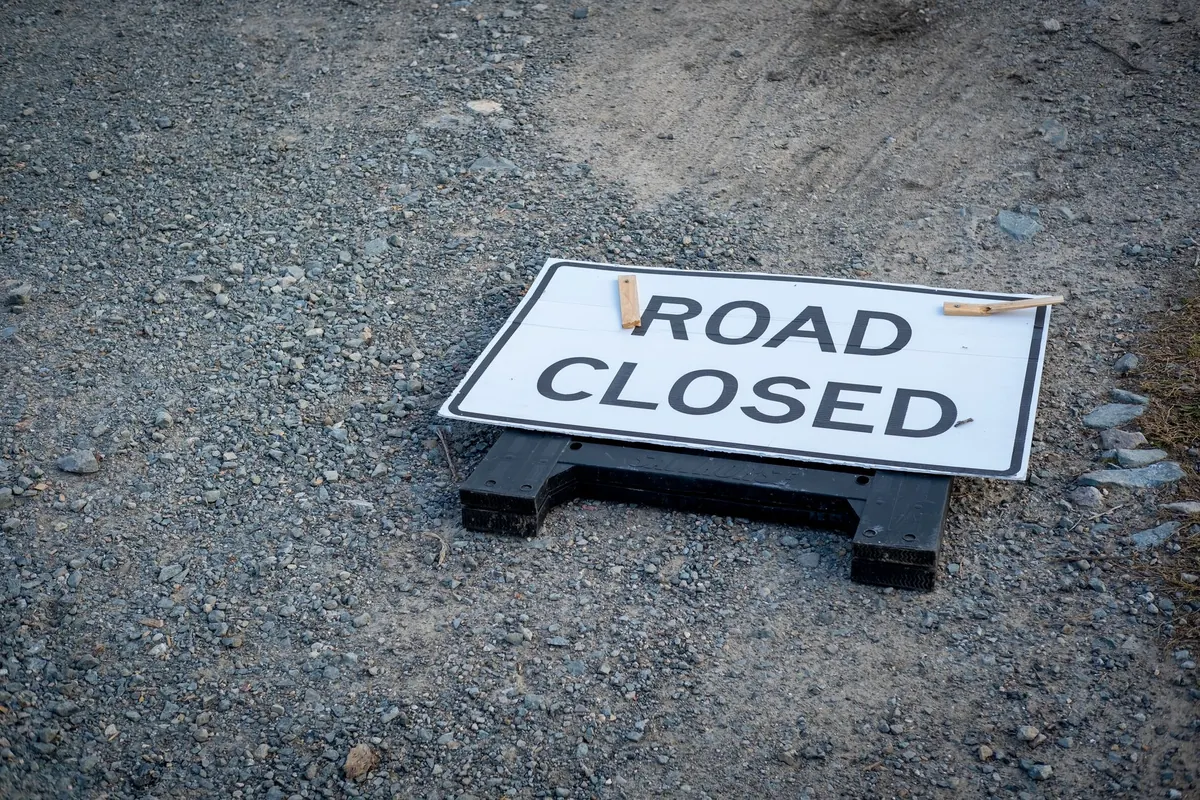
Few things sour a morning faster than the sight of red-and-white barriers where your usual slip road used to be. This month, Mercia's roads are carrying the familiar mix of water main replacements, resurfacing after the winter, bridge inspections and developer-led works — and the disruption tends to settle on exactly the routes people use to reach work, school and the shops. What follows is a straightforward planning guide: where hold-ups are most likely, what to check before you leave the house, and how to stop a bad journey turning into a written-off morning.
The pattern behind this month's roadworks
Roadworks are not all the same animal, and knowing which type you are dealing with tells you how much slack to build into your journey.
- Utility works. Water mains, gas connections and broadband cabling. Often announced late, controlled by temporary lights, and prone to overrunning when a crew finds something unexpected under the tarmac.
- Resurfacing and surface dressing. Weather-dependent, usually done in stretches, and typically scheduled overnight or at weekends to spare peak traffic. Expect loose chippings and reduced speed limits for a few days afterwards.
- Bridge and structure repairs. The slowest category. These bring contraflow lanes, width or weight limits and lowered speed limits, and they can run for months rather than weeks.
- Drainage, kerbs and footways. Short bursts of work, often in town centres, with parking bays suspended and pedestrian routes narrowed.
- Developer-led works. New junctions, roundabouts and access roads tied to housing or commercial sites. Long-running and predictable, but disruptive at peak times.
The practical upshot: a two-day water main repair is worth routing around for a morning or two. A bridge scheme is worth rebuilding your whole routine around until it finishes.
Where delays tend to build up
Every month the same pressure points appear. None of them is a surprise, which is precisely why a few minutes of checking pays off.
- Motorway junctions and slip roads. Entry and exit slips along the M6, M5, M42 and M40 corridors are the single most common source of sudden queueing, because a closure on a slip road pushes traffic onto the next junction and the parallel A-road.
- Trunk and A-roads. The A5, A38, A449, A442 and A444 all carry a mix of commuter and freight traffic. When one lane goes, there is rarely spare capacity nearby.
- Bridges and river crossings. Any single-lane working here creates a bottleneck with no realistic alternative. If your route crosses water, check it first.
- Town centres on market and delivery days. Loading restrictions plus a closed lane equals gridlock between roughly 8am and 10am.
- Rural lanes. Temporary lights on a single-track road can add ten minutes with no warning at all. If a diversion sign sends you down an unfamiliar lane, assume it is narrower than it looks.
A ten-minute checklist before you set off
- Check the official picture, not social media. Your local council's roadworks map and the National Highways traffic feed are updated far more reliably than a Facebook group post from yesterday.
- Read the diversion route properly. Diversions are designed for legal, signed routes — not for the fastest possible trip. Note where the signs will take you.
- Check the closure window. Overnight closures (often 8pm to 6am) are a minor inconvenience. An all-day closure is a different problem entirely.
- Plan a second route. If your first choice fails, you want the backup already in your head rather than worked out at a standstill.
- Add 15 to 20 minutes. Not five. Temporary lights cycle slowly and queues take time to clear even after the restriction ends.
- Check the backup route too. When one main road closes, its neighbour absorbs the traffic. Sometimes both are slow.
- Fuel up and charge up. Sitting in a queue with a low tank or a nearly flat phone adds a second, avoidable problem.
- Screenshot the route. A saved offline map is worth having when the signal drops on a rural diversion.
Timing is most of the battle
If you can shift your journey even half an hour, do it. The worst windows on most Mercia routes are roughly 7.45am to 9.15am and 4.30pm to 6pm, with Friday afternoons and Saturday mornings close behind. The school run adds a sharp spike that disappears entirely during holidays, which is often the best time to tackle a route you have been avoiding.
Mid-morning and early afternoon are your friends. If an appointment can be moved to 11am or 2pm, the same trip can take half as long — and that is before you factor in the extra minutes lost to temporary lights.
Assume the signs are right and the satnav is optimistic. The signed diversion exists because the local authority has to keep the road legally usable for every vehicle, including farm machinery and articulated lorries.
If you are not driving
Bus passengers get hit hardest by roadworks, because operators reroute at short notice and stops are suspended with a laminated notice and little else. Check the operator's website the evening before, not at the stop. Trains are the obvious escape route when a main road is closed, though replacement buses on affected lines will use the same congested roads.
Cyclists and walkers are affected too: temporary lights rarely give much time to clear a narrow section, and footway closures can push pedestrians into the carriageway. If you are on two wheels, take the lane when it is safer than being squeezed, and give yourself a longer gap than usual.
When the plan falls apart anyway
Works overrun. Crews hit unmapped pipes, weather delays resurfacing, and emergency closures appear without notice. Follow the signed diversion even when it looks longer — cutting through a closed section risks a fine, and arguing with a traffic marshal has never once shortened a queue.
If loose chippings or a poor road surface cause damage to your vehicle, note the location, date and time, take photographs, and keep any repair receipts. Speak to your insurer about how to proceed, and take professional advice if a claim is disputed.
Plan tonight, not in the morning
Two minutes at the kitchen table beats twenty minutes stationary at a set of temporary lights. Check the official map, pick your window, name your backup route, and set the alarm ten minutes earlier than feels necessary.
Roadworks are temporary. A missed appointment, a stressed school run or a wasted tank of fuel is not. Give the journey a little thought the night before, and the barriers will be an inconvenience rather than a crisis.
Photo: David McElwee / Pexels