
Mercia's Summer Fete Season: A Checklist for Stallholders and Visitors
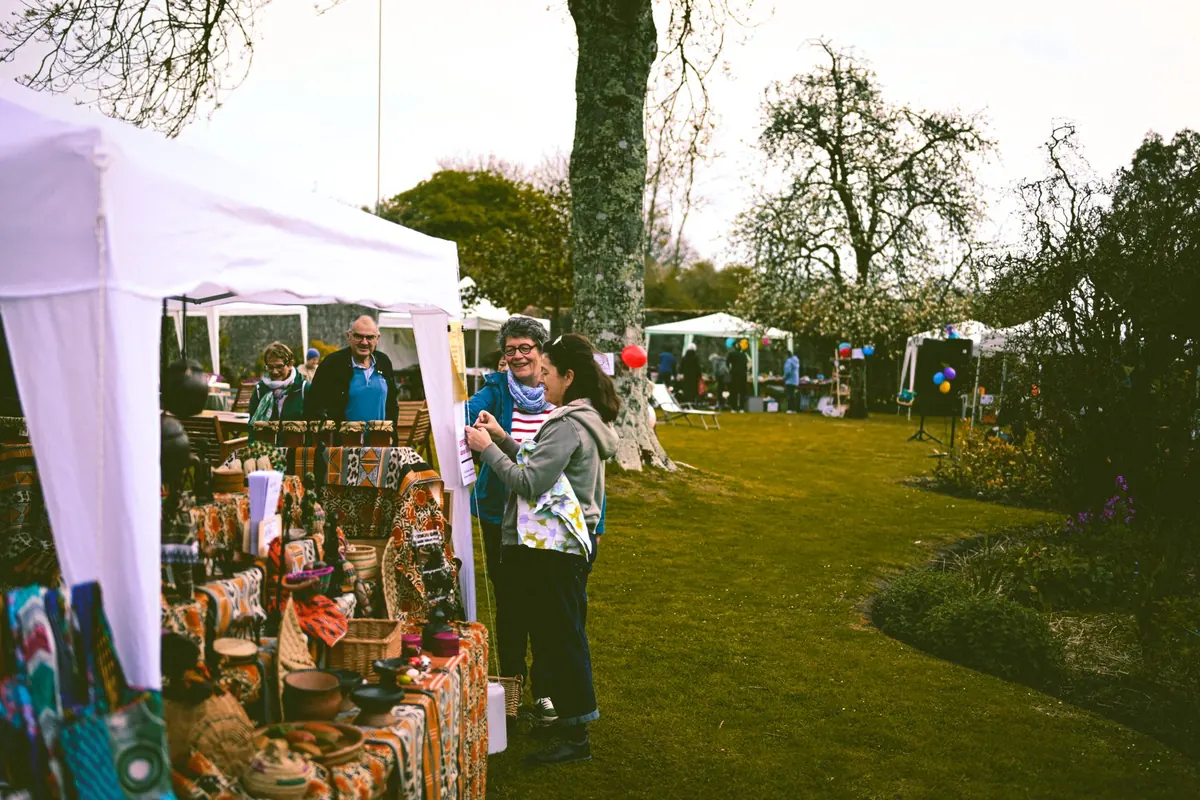
By mid-June, Mercia's weekends are booked out. There is a fete on the village green, a summer fair in the school field, a plant sale outside the church, and a market in the town square, often all on the same Saturday. Good news for anyone who sells jam, runs a tombola or simply likes to spend an afternoon eating cake outdoors. It is also the point at which a pleasant afternoon can turn into a stressful one, because most of what goes wrong at a fete is entirely predictable.
Here is what to sort out before you load the car, and what to check before you set off as a visitor.
Bookings: confirm the details, not just the date
Most organisers open stall applications in spring, and the desirable pitches go first: a corner spot near the entrance, a slot on the main thoroughfare. If you have missed the deadline, ask to go on the reserve list. People drop out for all sorts of reasons, and a polite email in the week before the event often finds you a space.
Once you are in, get the practical details in writing:
- Pitch size and surface. A "three-metre pitch" can mean three metres of frontage or three metres square. Grass, tarmac and gravel behave very differently under a gazebo.
- Arrival and set-up times, and whether you can drive onto the field or must unload from a gate.
- Power. If a socket is promised, take an extension lead, and do not stake your day on it.
- Paperwork. Craft and charity stalls are usually asked for public liability cover; caterers will be asked about food hygiene. If you are selling food, your local council's environmental health team can explain what registration and training you need, and it is worth asking in May rather than the night before.
- Licences. Raffles, tombolas and alcohol sales all carry rules. Most fetes operate under an umbrella arrangement, but confirm who is covering what.
Check whether gazebo pegs are allowed. Many venues ban stakes because of buried cables and irrigation pipes, and insist on weights instead. Turning up with eight metal pegs and no alternative makes for a bad morning.
Stallholder essentials: what actually gets used
Kit
- A table you trust, a cloth long enough to hide the boxes underneath, and a chair.
- Gazebo plus weights, such as water containers or sandbags. Take more weight than you think you need; a gust across an open field is a different animal from a gust in a back garden.
- A cash float in small notes and coins, a card reader with a charged backup, and a notebook for sales.
- Bags, scissors, tape, cable ties, string, a marker pen, cloths, hand sanitiser and a bin bag for your own rubbish.
Comfort and resilience
- Water, sun cream, a hat and a spare layer. Fete fields are more exposed than town centres.
- A battery bank, and the organiser's phone number written on paper.
- Something to cover stock at the end of the day, and a lidded crate for anything that must stay dry.
Price everything clearly. A visible price list answers the same question two hundred times and quietly increases what people buy.
Weather: prepare for both versions of summer
Mercia's Junes can be thirty degrees or thirteen and horizontal. Both cause trouble.
Wind is the real hazard. Gazebos lift, panels tear, and a carefully arranged stall ends up in a hedge. If gusts pick up, the safe answer is to lower or dismantle the canopy rather than hold it down. Do not tie your gazebo to a neighbour's.
Rain is manageable if you plan for it: groundsheets so boxes are not sitting in mud, plastic crates rather than cardboard, covers for anything paper. Prices on card or slate survive; paper labels turn to pulp.
Heat affects stock as much as people. Chocolate, candles, cosmetics and some crafts do not enjoy a full day in direct sun. Shade, a cool box and a towel over the top will do more than you expect. Drink water before you feel thirsty, because a long day standing in the sun is more tiring than it looks. If you take medication, are pregnant, or have a condition that heat affects, plan the day with advice from your GP or pharmacist rather than pushing through. Children and dogs overheat quickly on hot tarmac and in cars, and some sites do not allow dogs at all, so check before you set off.
Parking and getting in and out
For stallholders, the hardest part of the day is often the first twenty minutes. Unload, then move the vehicle to the designated area. Leaving a car on the pitch while you trade blocks the site and irritates the person who gave you the space. Ask about one-way systems before you arrive; village fetes often run them through narrow lanes.
For visitors, the golden rule is simple: arrive early. Car parks at these events fill between late morning and early afternoon, and the overflow becomes the nearest residential street. Parking on verges and pavements blocks access for emergency vehicles, earns fines in some areas, and sours the neighbours who agreed to the fete in the first place. If a shuttle or park-and-ride is running, use it. If you cycle, ask where the racks are; most events have them and barely advertise the fact.
A visitor's checklist
- Cash. Many stalls are run by volunteers and small traders, and not all take cards.
- A bag that folds flat, plus a second one for the plant you did not intend to buy.
- Water, a hat, and a refillable bottle if there is a tap on site.
- The programme, so you know when the dog show, children's races and raffle draw are. The good cake stalls sell out by mid-afternoon.
- Small change for tombolas and collection tins.
Be a decent customer. Ask before photographing people's stalls, do not haggle a volunteer down on a two-pound item, and keep an eye on children near tea urns, bouncy castles and open water. If you are buying food, the usual common sense applies: hot food should be hot, cold food should be cold.
Final checks before you go
The night before, do three things. Charge everything: phone, card reader, battery bank. Write down the organiser's number, the site postcode and your arrival time on a piece of paper. Then pack the car as far as you can, leaving only the fragile and the frozen for the morning.
On the day, arrive with time to spare, set up facing the crowd rather than the view, and take your rubbish home. Do that much and Mercia's fete season becomes what it is meant to be: a long, unhurried summer of selling cake, buying jam, and seeing the same faces on a different green every Saturday.
Photo: Kwami Heude Izawaki / Pexels