
Slots, Poker, and the House Edge: A Real Talk Guide
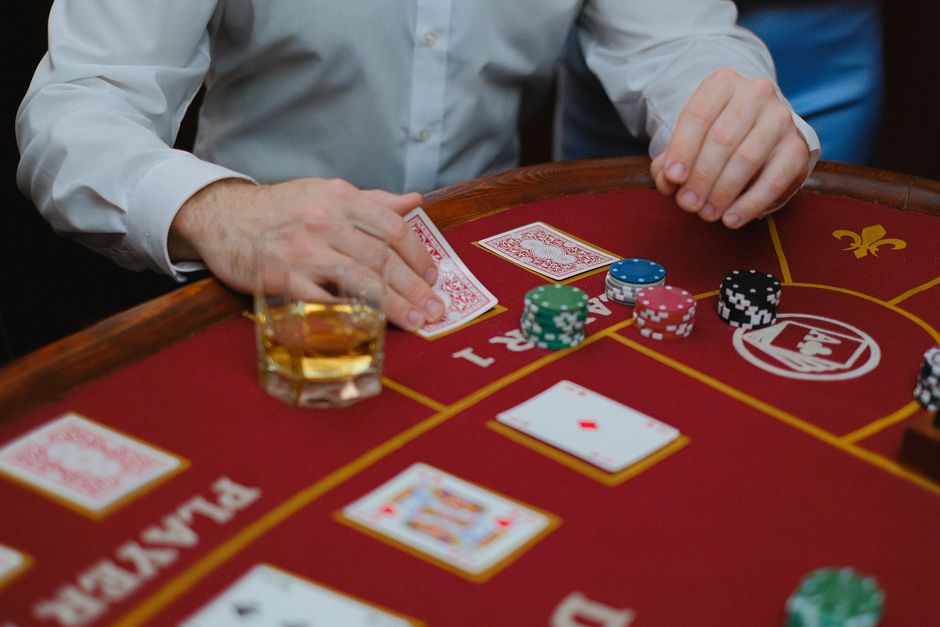
Most people think the casino always wins because the games are rigged. That's not how it works. The games beat you through math that is completely open for anyone to inspect, and the operators are surprisingly upfront about it. What they don't do is sit you down and explain how that math actually feels when you're three hours deep into a session and chasing a bonus round. That's the gap this article tries to fill.
I've spent more time than I should admit reading paytables, tracking session results, and watching friends lose rent money on jackpot chases. Along the way, a few things became obvious: most players lose because of decisions they make at the cashier, not decisions they make at the machine. Let's break down where the real edges are. For up-to-date information, visit L'Avenue Dubai.
Slot Math Isn't Mysterious — It's Just Unpopular
Every slot has an RTP, or return-to-player percentage. A game with 96% RTP returns, on average, 96 cents of every dollar wagered over millions of spins. The other 4% is the house edge. That number is not hidden. Modern jurisdictions like the UK, Malta, and most US regulated states require operators to publish RTP, and many games put it right in the help screen.
Here's the part that trips people up: RTP is a long-run average, not a promise for your session. A high-volatility game can have a 96% RTP and still eat 40% of your bankroll across 500 spins before a single decent hit. Volatility is the more practical number, and it's rarely published. As a rule of thumb:
- Low volatility slots pay smaller amounts more often — good for stretching a small bankroll over a long evening.
- High volatility slots pay rarely but can hit huge multipliers — you need a bigger bankroll and patience to survive the dry spells.
A concrete example: Starburst sits around 96.1% RTP with low volatility, while a Megaways-style game like Bonanza runs near 96% too but will happily take 200 spins without a feature. Same RTP, totally different experience. If you don't know which one you're playing, you're gambling on volatility without knowing it.
The Bets That Actually Give You a Fighting Chance
Not all casino games are built the same, and some are dramatically better than others. If you care about how long your money lasts, the table below reflects what I've seen hold up across regulated markets:
- Blackjack (basic strategy): house edge around 0.5%. This is the best bet in the building, but only if you learn basic strategy — winging it can push the edge toward 2% or worse.
- Baccarat (banker bet): about 1.06% edge, and it requires zero skill. The player bet isn't much worse at 1.24%.
- European roulette: 2.7% edge, versus 5.26% on American wheels. That single extra green zero literally doubles the house edge.
- Slots: typically 2% to 8% depending on the game and jurisdiction. Convenient, but not cheap.
If you're going to play slots anyway — and most people are — do yourself a favor and check the RTP before you play. A 94% game versus a 97% game is a 5% swing in expected loss. On $500 of wagering, that's a $25 difference. Small choices, real money.
Poker Is the Only Game Where You Beat Players, Not the House
Poker is different, and this matters more than most people realize. In casino table games, you're playing against a mathematical edge that no amount of skill can erase. In poker, you're playing against other humans, and the house just takes a small cut (the rake). That means the right player can win long-term.
But the corollary is brutal: someone else at the table is losing to you. If you sit down at a $1/$2 no-limit game with no idea how to fold top pair, you're probably the one paying for the table's dinner. A few things I wish I'd understood earlier:
- Position matters more than your cards. Playing in late position lets you see what everyone does before acting.
- Bankroll management isn't optional. You want at least 20 buy-ins for cash games, more for tournaments.
- Hand selection is most of the game at low stakes. Tight, aggressive play beats tricky, loose play in the vast majority of recreational games.
- Track your sessions. Not to feel good — just to know whether you're actually winning or just remembering the wins.
Betting Markets and the Hidden Cost of Convenience
Sports betting exploded after the US Supreme Court opened the door in 2018, and now over 35 states have some form of legal market. The product is slick. The margins are not. A standard -110 spread bet carries about a 4.5% hold for the book, and same-game parlays — pushed hard in every app — often carry double-digit hold percentages. The parlay payout looks exciting; the math is somewhere between bad and terrible.
If you enjoy betting, treat it like entertainment with a budget, not an investment. Shop lines between books. Take advantage of the occasional promo, but don't manufacture action just to clear a bonus that's structured so you can't.
Practical Things That Actually Help
None of these tips will make you a professional. That's not the point. The point is losing less, playing longer, and not waking up angry.
- Set a session loss limit before you log in, and close the app when you hit it. The 30 minutes after a limit hit are when most bad decisions happen.
- Don't chase bonuses with high wagering requirements unless you understand the expected loss. A $100 bonus with a 40x wagering requirement at 3% house edge has an expected cost of $120.
- Prefer regulated operators. RTP floor rules, dispute resolution, and actual withdrawal processes matter more than a flashy welcome package.
- Use free-play modes on slots to learn paytables and volatility before real money is involved.
- Take breaks. Tilt is real in slots and poker alike, and the machine doesn't care whether you're calm.
Final Thoughts
The casino industry has spent three decades optimizing for engagement, and the modern slot cabinet or betting app is a genuinely impressive piece of behavioral design. That doesn't make it evil, but it does mean the default behavior favors the house. Know the RTP, understand volatility, avoid the bets where the edge is absurd, and treat poker like the skill game it is rather than a lottery ticket. The house edge is real — but the decisions you control are realer. Play like someone who understands both.